
Why Are My Chimney Bricks Flaking? A Guide to Spalling
- Home
- Chimney Repair
- Pennsylvania Winters vs. Your Chimney: Understanding Brick Spalling
You’re out in the yard on a Saturday morning, perhaps clearing leaves or checking the gutters of your Delaware County home, when you notice something strange: small, jagged red chips or a fine brick dust scattered at the base of your chimney or along the roofline.
At first, it looks like your chimney is simply “peeling” like a sunburn, or maybe you think it’s just the natural wear and tear of an older Pennsylvania home. But what you’re actually witnessing is a serious masonry condition known as spalling.
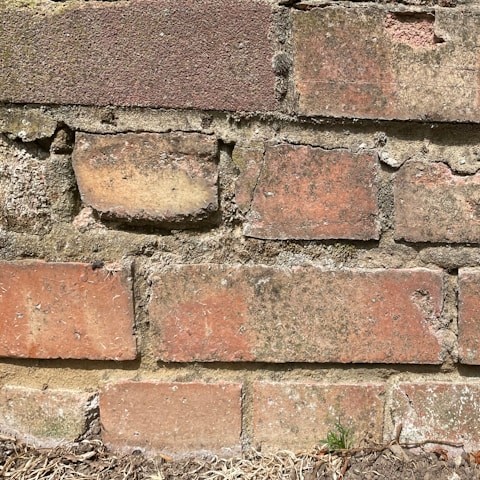
In the industry, we call this the “silent killer” of chimneys. It occurs when the surface of the brick separates from the body and flakes off, eventually leaving the interior of the brick exposed to the elements. Once this process starts, your chimney’s structural integrity is on a ticking clock.
In Delaware County, Chester County and the Main Line, our unique climate, with its damp autumns and brutal, fluctuating winters, makes our homes a “hot zone” for this type of damage. If you’ve seen “red dust” on your driveway, your chimney isn’t just getting old; it’s crying out for help.
At Jim Murray’s Chimney Service, we’ve spent more than 35 years diagnosing these exact issues. We know that if you catch spalling early, you can save your chimney. If you wait, you could be looking at a total rebuild.
The “Silent Killer”: How the Freeze-Thaw Cycle Damages Brick
In Southeast Pennsylvania our winters aren’t just cold—they are “volatile.” We often experience a cycle where it’s 45° and raining on a Tuesday, then drops to 20° by Wednesday night. This constant fluctuation is the primary cause of brick spalling, driven by a process called the Freeze-Thaw Cycle.
The “Soda Can” Effect
Think of what happens when you leave a can of soda in the freezer. As the liquid turns to ice, it expands, creating immense pressure until the aluminum bursts. Your chimney bricks act much like that can.
Because brick is a porous material it naturally absorbs moisture from Pennsylvania’s heavy rains and melting snow. When that trapped water inside the brick freezes, it expands by about 9%.
The “Mini-Explosion”
That expansion creates internal pressure that the rigid structure of the brick cannot handle. Something has to give. Usually, it’s the “face” (the hard, outer protective layer) of the brick. It literally gets pushed off from the inside out in a tiny, structural explosion.
Why 35+ Years of Experience Matters Here:
Over the last three and a half decades, we’ve seen how this cycle repeats dozens of times in a single Delco winter. Each time it freezes and thaws, the damage goes deeper.
The First Year: You might see a little white powder (efflorescence).
The Second Year: Small flakes of brick start to appear on the shingles.
The Third Year: The entire face of the brick pops off, leaving the soft, sandy interior exposed to even more water.
Once the “skin” of the brick is gone, the erosion happens at ten times the speed. This is why a chimney can look “fine” for twenty years and then seem to fall apart in just two or three seasons.
How Can Homeowners Spot Spalling Early?
If you catch spalling in the “early warning” stage, you can often avoid a full chimney teardown. Here is what to look for:
1. The “Red Dust” Trail
As we mentioned, the most obvious sign is physical debris. Look at your roof shingles directly below the chimney, or check your gutters. If you see small, jagged red chips or a fine, sandy red powder, your bricks are actively delaminating.
2. Efflorescence (The White “Salty” Stain)
Before the brick actually flakes off, it usually “sweats” out white, powdery streaks. This is called efflorescence. It’s caused by water moving through the brick and bringing natural salts to the surface.
3. The “Hollow” Sound
This is a trick our seasoned masonry experts use. Sometimes a brick looks fine, but the face has already detached from the core and is just “hanging” there by a thread of mortar.
The Test: If you safely have access to the brick, give it a light tap with a screwdriver handle. A healthy brick sounds solid and “sharp.” A spalling brick will sound “hollow” or “thuddy.”
4. The Crumbling Crown
Look at the very top of your chimney – the concrete “cap” or crown. If you see deep cracks or chunks of concrete missing, that is the “open door” for water. Once water gets behind the brick via a cracked crown, spalling is inevitable.
Why You Can’t Just “Patch It” (The $10,000 Mistake)
When homeowners see a few flaking bricks, the natural instinct is to head to the local hardware store, grab a bucket of sealant or some exterior paint, and try to “seal up” the problem.
At Jim Murray’s Chimney Service, we’ve spent more than 35 years coming to the rescue after these DIY “fixes” have gone horribly wrong. Here is why a quick patch can actually accelerate the destruction of your chimney.
The “Plastic Bag” Trap
Masonry needs to breathe. Even the densest brick is naturally permeable, allowing water vapor (steam from your fireplace or furnace) to escape from the inside out.
The Mistake: When you apply a non-breathable sealant or heavy exterior paint, you’re essentially wrapping your chimney in a plastic bag.
The Result: Moisture from the house gets trapped behind that layer. When winter hits, that trapped moisture freezes and pushes the entire face of the brick off at once. We’ve seen chimneys where every single brick “blew out” because a previous owner painted them to “protect” them.
The Wrong Mortar
Many handymen use high-strength Portland cement to patch old chimneys.
The Conflict: Historic homes our area were often built with softer, lime-based mortar.
The Danger: If the new mortar is harder than the old brick, the brick will actually crack around the patch as the house naturally shifts and settles.
The Solution: How Jim Murray’s Team Fixes the Flake
When it comes to masonry, there is a big difference between a “patch job” and a professional restoration. In Delaware County, where our historic stone and brickwork are part of the local charm, you need a team that understands the structural science of an older chimney.
Here’s how our team repairs chimney bricks:
Step 1: The Water Entry Audit
We don’t start with a trowel; we start with an investigation. Is the water coming through a cracked chimney crown? Is the flashing (the metal seal where the chimney meets your roof) pulling away? We find the “open door” and shut it first.
Step 2: Precision Masonry “Surgery”
If a brick is spalling, it’s structurally compromised. We carefully remove individual damaged bricks without disturbing the surrounding masonry.
Step 3: Professional Repointing
We replace old, sandy mortar with fresh, high-quality mortar that is specifically mixed to be compatible with your existing masonry. This “tuckpointing” restores the structural “skeleton” of your chimney, making it watertight and rock-solid once again.
Step 4: Vapor-Permeable Waterproofing
This is the “secret sauce.” Once the repairs are dry, we apply a professional-grade, breathable water repellent. Unlike hardware store sealants, this treatment allows the brick to “breathe” out internal vapors while creating a microscopic shield that causes rain and snow to bead up and roll off instantly.
Don’t Wait for the Chimney to Lean
At the end of the day, a few flaking bricks might seem like a minor cosmetic nuisance. But in the world of Pennsylvania masonry, those “red chips” on your roof are a warning siren.
Left untreated, spalling is progressive. It weakens the structural “skeleton” of your chimney, eventually leading to internal water damage, rotted roof rafters, and, in extreme cases, a chimney that begins to lean or pull away from your home.
In our 35+ years of serving Delaware and Chester Counties, we’ve seen countless homeowners wait until a small repair becomes a total chimney rebuild. Our goal is to catch the “flake” before it becomes a failure.
Your home is likely your biggest investment. Don’t let a few seasons of the freeze-thaw cycle compromise its safety and value. Trust the team that has been the gold standard for local masonry since the 1980s.
Call us today at (610) 626-6631 to schedule your inspection.